


Toy Match 3D: Triple Match
4.71.01K Reviews
App Specs
- Version
- 3.44.0
- Updated On
- License
- Free
- Downloads
- 500,000+
- Developer
- PLAYNEXX
- Categories
- Puzzle
- Platform
- Android
Screenshots
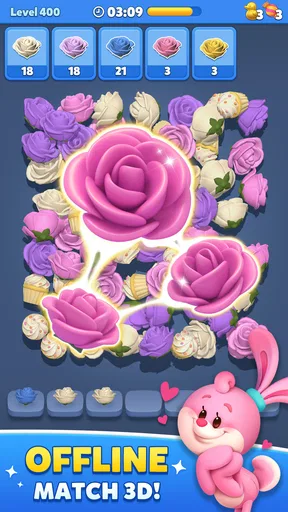
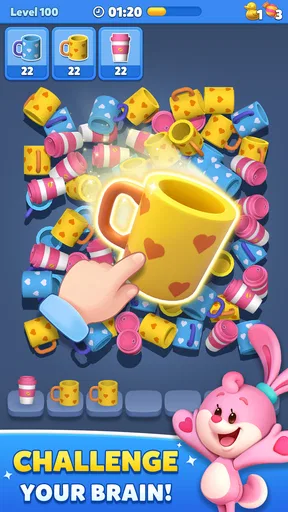
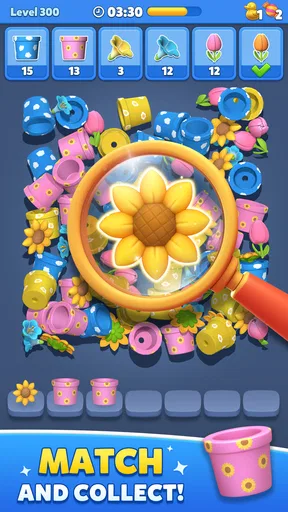
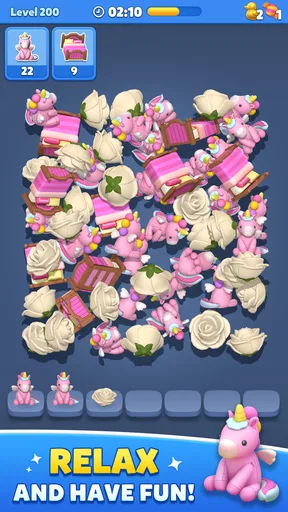
 Analysis by AppCompare
I like puzzle games that can fit into a spare moment without asking me to learn a complicated rulebook, and Toy Match 3D: Triple Match has that easy-to-grasp starting point. Its toy-filled 3D boards give the familiar task of finding matching objects a more visual, hands-on feel. I would consider it for a shared tablet or a phone passed around at home, though I’d treat it as a casual game rather than a built-in family activity: different people can take turns, but that does not make progress, spending, or personal settings automatically shared.
A casual game that suits short turns
The basic appeal is that a player can look at the board, spot objects, and make a move without needing a long explanation. That makes it approachable when someone has a few minutes to fill, or when a household wants a low-pressure game to pass between people. I can imagine one person playing while waiting for dinner and another taking a turn later, especially if they agree to stop at a convenient point rather than interrupting a level midway.
That same simplicity has limits. The game is centered on individual puzzle play, so it is not a substitute for a cooperative board game where everyone works on the same problem at once. If your group wants conversation and shared decision-making throughout, a tabletop puzzle or a game explicitly built around multiplayer is likely a better fit. Here, the shared part is mostly the device and the choice to take turns.
Shared devices need simple boundaries
On a family device, I would decide in advance who is playing and whether everyone is using the same game progress. Taking turns on one installation can be easy, but it also means one person’s choices may affect what the next person sees. If separate progress matters, I would not assume that the game provides separate player profiles; I would check the available in-game and device options before making it the household’s shared puzzle game.
I would also keep purchases in mind when handing over a device. The game is free to download, while optional in-app purchases range from $0.99 to $99.99 per item. That is a broad range, so I would use the device’s purchase approval or spending protections where appropriate and make sure younger players know to ask before confirming anything. This is a practical household boundary, not a reason to avoid the game, but it is worth sorting out before a child plays unsupervised.
Taking turns without turning it into a contest
The 3D board gives people something concrete to talk about: a player can rotate the view, point out a toy that was easy to miss, and explain why they chose it. For a relaxed shared session, I would let each person make a few moves or finish a level, then pass the device along. That keeps turns understandable without pretending the game is designed for a coordinated team.
If one person is much more experienced, I would avoid making every turn about speed or score. The puzzles can become more demanding, and a newer player may prefer time to inspect the board instead of feeling rushed. Taking turns for fun rather than ranking one another makes the game more welcoming, especially for mixed ages or abilities.
Worth Reading Before You Choose

Flipboard Shows What News Apps Must Do Beyond the Feed

Switching to Android Auto Means Rethinking Your Driving Routine

Google Calendar Makes a Crowded Week Easier to Manage

Ludo King Makes the Most of the Minutes Between Plans

Baby Panda World Brings Quick Play to Modern Phones, but Its Game Library Feels Busy

ESPN’s Live Game View Makes Following Close Games Easier
Age, trust, and the right expectations
The game is rated Everyone, which makes it broadly suitable by age classification, but that label does not answer every household question. I would still consider whether a child is comfortable with timed puzzles and whether they understand optional purchases. The toy-like presentation is friendly, yet the challenge can increase, so younger players may sometimes need patience or a hand from an adult.
PLAYNEXX is the developer, and the game has a 4.8 average from around 12,000 ratings, with over 500,000 installs. Those figures suggest that many players have tried it and responded positively, but they cannot tell me whether its pace or purchase options suit a particular household. I would use them as context, then judge the actual play style and spending boundaries for myself.
Getting Started with Toy Match 3D
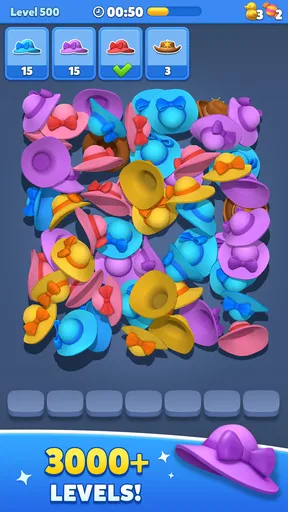
Installing Toy Match 3D: Triple Match was a breeze and within moments, I was ready to dive into this vibrant world of puzzles. The premise is simple yet addictive: match three identical items to clear them from the board. But it's not just about matching; the game challenges you with a variety of levels that test your strategy and quick thinking.
The first thing that caught my eye was the colorful and playful graphics. This is not just eye candy; the visuals genuinely enhance the gaming experience. It's like stepping into a toy wonderland, where every element is designed to keep you entertained. The animations are smooth, and the sound effects add just the right amount of playfulness without being distracting.
Gameplay Mechanics that Hook You
What makes Toy Match 3D stand out is its clever use of 3D elements. Unlike traditional match-3 games, this one adds a dimensional twist by allowing you to rotate the board. This feature adds a layer of complexity as you can uncover hidden items by changing your perspective. It’s a game-changer—literally!
As you progress, the levels become increasingly challenging, requiring more strategic planning to complete. This keeps the game from becoming monotonous and ensures that your brain is always engaged. Plus, the game introduces new elements and obstacles, like locked items and time limits, which keep you on your toes.
Playing thoughtfully, not just quickly
Rotating the board is more than a visual flourish. I find it useful to sweep around the scene before choosing a move, because an object that looks isolated from one angle may have a matching pair partly obscured from another. A small habit that helps is to pause at each new view and scan the whole arrangement rather than tapping the first familiar item. It reduces avoidable mistakes and makes the puzzle feel like observation, not just reflex.
When the level includes a timer, I would change that routine slightly: make a quick visual pass first, then commit to the clearest groups instead of repeatedly turning the board without a plan. On a more relaxed board, taking extra time to inspect can be satisfying; under time pressure, too much searching becomes its own obstacle. That contrast is one reason the game can feel different from a standard flat match-three puzzle, where the main decision is usually about adjacent pieces rather than viewing an object cluster from several angles.
Progress, rewards, and when to pause
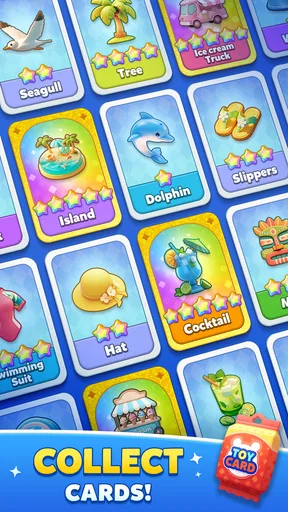
One of the aspects I love most about Toy Match 3D is its rewarding system. Completing levels earns you stars, which you can use to unlock new features or power-ups. These power-ups are not just there for show; they can genuinely help you out of tricky situations, especially in higher levels.
Another engaging feature is the daily challenges. These are a great way to earn extra rewards and test your skills. The developers have done a fantastic job at keeping the game fresh by regularly updating these challenges, ensuring that there’s always something new to tackle.
For me, the useful question is not whether to use a power-up whenever it appears, but whether the current board is genuinely stuck or simply needs a better look. Saving assistance for a level where the timer or blocked items are creating real pressure can make it feel more valuable than spending it on a puzzle I could solve by rotating and scanning again. I also prefer to treat a daily challenge as an optional extra, not a chore; if I am playing only to collect rewards, the relaxing quality that drew me in starts to disappear.
There is a natural trade-off here between a quick, casual session and chasing steady progress. If I have only a short break, I can play a level and stop; if I want a longer session, rising difficulty gives me a reason to continue. But anyone who dislikes timers, increasingly demanding stages, or the temptation to use boosts when stuck may find the later rhythm less calming than the toy-like presentation first suggests.
How it compares with other puzzle choices
Compared with conventional match-three games, this one asks me to inspect a three-dimensional arrangement rather than primarily plan moves on a flat grid. That suits players who enjoy visual search and changing perspective. A classic tile-matching game may be a better choice if you want a simpler board that is easy to read at a glance, while a logic puzzle may suit you more if you want one deliberate solution rather than repeated rounds of matching.
It also differs from a pure hidden-object game: I am not simply looking for a named item in a static scene, because the matching goal and board constraints shape what I should notice. The combination can be appealing when I want something playful and active, but it may frustrate someone who prefers slow, untimed observation. I would choose it for a short mental reset, not for a demanding brainteaser or a story-led adventure.
Who is likely to enjoy it—and who may not
I would recommend it to someone who likes spotting patterns, enjoys rotating a cluttered scene, and wants puzzles that are easy to begin but can ask for more care as they progress. It can also work for a household that is comfortable taking turns on one screen, provided everyone understands how progress and purchases are being handled. Its free-to-download model makes it easy to try, though optional purchases mean I would not leave spending decisions vague on a shared device.
I would steer away from it if you need a clearly documented multiplayer experience, separate household profiles, or a puzzle with no time pressure. It is also not my first pick for a player who gets stressed by escalating difficulty or prefers every session to end at a predictable stopping point. On an older device, I would check compatibility before downloading: the current version is 3.41.0 and requires Android 7.0 or later. The game was released on May 29, 2023, and is free, with optional purchases; those practical details help set expectations without changing the central question of whether its matching style is enjoyable for you.
Community and Social Features
In addition to its addictive gameplay, Toy Match 3D has a community aspect that allows you to connect with friends. You can share your progress, challenge each other, and even exchange tips on tough levels. It’s a fun way to add a social element to your gaming experience without being intrusive.
My household verdict
For a shared device, I think the strongest approach is to treat this as a turn-taking puzzle, agree on purchase rules, and let each player enjoy the board at their own pace. The rating of Everyone is reassuring for broad age suitability, but it does not replace an adult’s judgment about time limits, frustration, and spending. If those boundaries are clear, the bright objects and rotatable scenes can make a pleasant little break that different people can enjoy in their own way.
Final Thoughts
In a world overflowing with puzzle games, Toy Match 3D: Triple Match manages to carve out its niche with its inventive gameplay and charming design. It’s a game that’s easy to pick up but hard to put down, making it perfect for both quick sessions and longer playtimes.
Whether you're a seasoned puzzle enthusiast or a casual gamer looking for something new, Toy Match 3D offers a delightful experience that’s well worth your time. So go ahead, give it a try, and see if you can master the art of triple matching!
Pros
- Engaging 3D graphics enhance gameplay.
- Intuitive controls make it easy to play.
- Regular updates with new levels.
- Offline mode available for travel.
- Suitable for all ages
- family-friendly.
Cons
- In-app purchases can become costly.
- Ads interrupt gameplay frequently.
- Limited lives can hinder progress.
- Some levels feel repetitive.
- Requires significant device storage.
FAQs for Toy Match 3D: Triple Match
What is Toy Match 3D: Triple Match about?
Toy Match 3D: Triple Match is a puzzle game where players match three identical toys to clear levels. With a 3D twist, it offers a vibrant and engaging gameplay experience, featuring a combination of strategic thinking and quick reflexes. The game is designed for both casual and dedicated gamers, providing hours of entertainment.
Is Toy Match 3D: Triple Match free to play?
Yes, Toy Match 3D: Triple Match is free to download and play. However, it offers in-app purchases for players who wish to enhance their gaming experience. These purchases can include extra lives, boosters, or ad-free play. Players can enjoy the full game without spending money, but optional purchases can speed up progress.
What are the system requirements for Toy Match 3D: Triple Match?
Toy Match 3D: Triple Match requires Android version 5.0 or later, and iOS version 10.0 or later. The game is optimized for smartphones and tablets, ensuring smooth performance across various devices. Adequate storage space is needed for installation, with additional space recommended for game updates and data.
How does the game save progress?
Toy Match 3D: Triple Match saves progress through cloud synchronization if connected to an account like Google Play Games or Apple Game Center. This allows players to continue their game on different devices seamlessly. Offline progress is saved locally, but connecting to a network ensures data backup and recovery.
Are there any tips for beginners in Toy Match 3D: Triple Match?
For new players, focus on clearing the board by matching the most frequent items first. Utilize boosters wisely and plan moves ahead to maximize combo opportunities. Pay attention to the timer, as some levels are time-based, and practice regularly to improve speed and strategy. Exploring tutorials and guides can also be beneficial.


